Punjabi Jutti for Salwar Suit: The Complete Style Guide
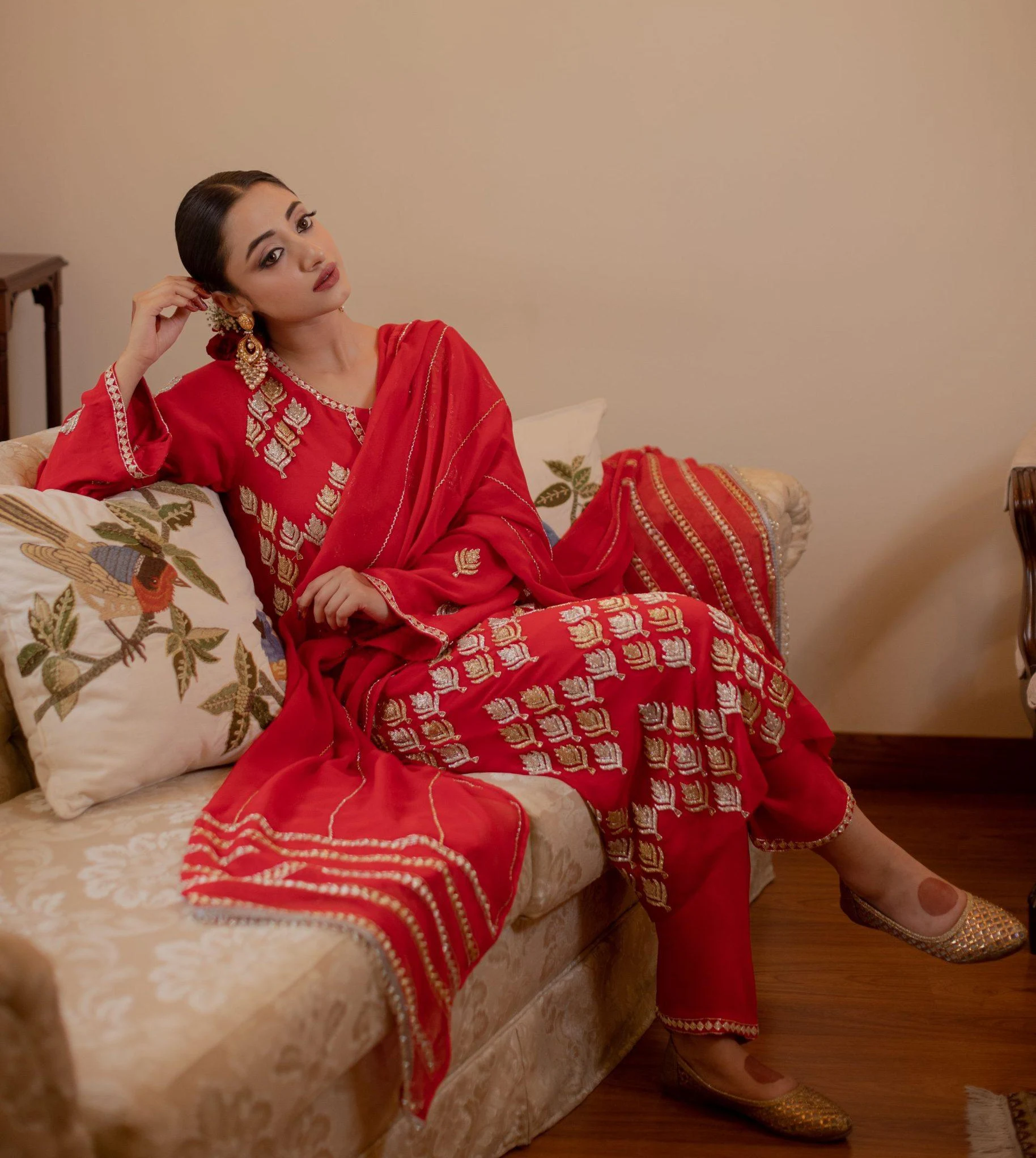
There’s a reason the Punjabi jutti has outlived every passing footwear trend in India — it belongs. Paired with a salwar suit, it doesn’t just complete an outfit; it grounds it in tradition while still looking fresh, festive, and personal. Whether you’re dressing for a wedding, a family function, or a regular workday in a straight-cut suit, choosing the right jutti can make or break the overall look.
This guide breaks down how to pick the perfect Punjabi jutti for your salwar suit — by silhouette, embroidery, color, and comfort — so your footwear does justice to the outfit you’ve put together.
Why the Jutti-Salwar Suit Pairing Still Works
The salwar suit is one of the most versatile pieces in the Indian wardrobe — it moves easily from a casual Patiala at a family lunch to a heavily embellished Anarkali at a wedding. The jutti has kept pace with it for the same reason: it’s flat, comfortable enough for long days, and endlessly adaptable in embroidery, color, and material. Unlike heels, it doesn’t compete with a heavy dupatta or an ornate neckline — it simply supports the outfit.
Matching Jutti Styles to Different Salwar Suit Cuts
Patiala suits call for footwear with equal energy. A Phulkari-embroidered jutti with bold thread work, mirror detailing, or gota trim complements the suit’s heavy pleats. If the suit itself is already loud in print or color, a solid or metallic jutti keeps the overall look balanced instead of overwhelming.
Straight-cut suits, popular for both office wear and everyday styling, pair well with cleaner, more minimal juttis — think zari borders or subtle geometric motifs on a silk or leather base. For an evening version of the same suit, a jutti with light sequin or resham work instantly dresses it up.
Anarkali suits need footwear that can hold its own against the flare and volume of the outfit. Heavily embroidered juttis with zari, dabka, or gota work suit richly colored Anarkalis, while pastel or subtle Anarkalis look better with a more decorative, multi-colored jutti to add contrast. For summer-weight Anarkalis, a lightweight cotton jutti with minimal embellishment keeps things breathable.
Palazzo and sharara suits are more experimental by nature, so this is where you can play — abstract prints, foil detailing, or textured fabrics like velvet or quilted leather all work well and give the outfit a modern edge.
Churidar suits, with their sleek, fitted silhouette, pair naturally with the compact shape of a classic jutti. Neutral tones like black, beige, or gold are the safest and most versatile choice, though a jutti with embroidery that echoes your dupatta or jewelry can elevate the pairing further.
Understanding Embroidery and Embellishment
The embroidery on a jutti often tells you as much about the occasion as the suit itself:
- Phulkari work, with its roots in Punjab, is colorful and best suited to daytime wear or festive occasions.
- Zari and tilla embroidery, worked in metallic gold or silver thread, suits more formal or festive outfits, especially those in silk or brocade.
- Gota patti brings a Rajasthani touch and works well for weddings and traditional celebrations.
- Dabka and resham threadwork adds detail that suits eveningwear and ethnic events without feeling over-the-top.
For occasions like sangeets or wedding functions, mirror work, beadwork, and sequins add the extra sparkle a plain salwar suit might need.
Choosing the Right Fabric
Fabric affects both look and comfort:
- Leather juttis are the everyday classic — breathable, durable, and easy to style with almost anything.
- Silk and velvet juttis suit festive looks and cooler weather, adding richness to the outfit.
- Cotton juttis are ideal for summer or for anyone who prefers a lighter, more casual feel.
Getting the Color Coordination Right
Color is where most people either get it perfectly right or slightly off. A few simple rules help:
- Tone-matching — pairing a pastel suit with a similarly toned jutti — creates a calm, cohesive look, ideal for daytime or office wear.
- Contrast works when you want your footwear to make a statement. A plain white or neutral suit paired with a bold red or emerald jutti instantly draws the eye.
- Metallics and neutrals like gold, silver, and black are the most versatile options in any wardrobe — they go with multiple suits, which makes them a smart investment.
- Multi-colored juttis that echo the print or embroidery of your suit tie the whole outfit together without stealing focus.
Comfort Matters as Much as Design
A beautiful jutti is only useful if you can actually wear it for hours. Look for:
- Soft, well-finished inner linings that reduce friction and prevent shoe bite, especially important if you’re wearing them from a morning event straight through to an evening one.
- Flexible materials — good leather or fabric that molds to your foot shape over time rather than staying rigid.
- A short break-in period — like most handcrafted footwear, new juttis benefit from being worn indoors a few times (with socks, if needed) before a big event.
Where to Shop
If you’re shopping online, look for sellers who show detailed product photography, list the embroidery technique and material clearly, and offer styling guidance alongside the product — this makes it much easier to match a jutti to a specific suit before you buy. Handcrafted juttis, in particular, are worth seeking out, since they support traditional artisans and tend to hold up better over repeated wear than mass-produced alternatives.
Frequently Asked Questions
1. What is a Punjabi jutti, and how is it different from regular flats? A Punjabi jutti is a traditional, flat, closed-toe slip-on shoe originating from Punjab, typically handcrafted from leather or fabric and finished with embroidery, mirror work, or beadwork. Unlike regular flats, juttis are usually made without a left-right distinction and are designed to mold to the foot over time.
2. Which jutti style works best with a Patiala suit? Bold, Phulkari-embroidered juttis or those with mirrorwork and colorful thread detailing pair best with a Patiala suit. If the suit is already vibrant, a solid or metallic jutti helps balance the look.
3. Can I wear the same jutti with different salwar suits? Yes — neutral or metallic juttis in gold, silver, black, or beige are versatile enough to pair with multiple suits, cuts, and occasions, making them a practical addition to your wardrobe.
4. Are juttis comfortable for long events like weddings? They can be, provided you choose a pair with soft inner lining and quality material, and allow a short break-in period before the event. Leather juttis in particular tend to become more comfortable with wear.
5. What type of jutti suits an office-appropriate straight-cut suit? Clean, minimally embellished juttis with subtle zari borders or geometric detailing work best for formal or office wear, keeping the look professional yet traditional.
6. How do I choose a jutti color if my suit has multiple colors or a print? Pick a jutti that echoes one of the dominant colors in your suit’s print, embroidery, or dupatta rather than trying to match every shade. This keeps the pairing cohesive without looking too matched.
7. Are cotton juttis suitable for summer weddings? Yes, cotton-based juttis with light embellishment are a good choice for summer functions since they’re breathable and less likely to feel heavy compared to velvet or heavily embroidered styles.
8. How do I prevent shoe bite with a new pair of juttis? Wear them indoors for short periods before the event, ideally with socks, to help the material soften and mold to your foot shape. Choosing a pair with good-quality inner lining also reduces the chances of friction.
9. What’s the difference between Phulkari, zari, and gota patti embroidery on juttis? Phulkari is colorful threadwork rooted in Punjabi tradition and suits festive or daytime wear. Zari and tilla use metallic gold or silver thread for a more formal, regal look. Gota patti, a Rajasthani technique, is commonly chosen for weddings and traditional celebrations.
10. Do juttis come in half sizes, or should I size up/down? Sizing varies by maker, so it’s worth checking the specific brand’s size chart before ordering. Since juttis are meant to mold to the foot over time, some buyers choose their regular size rather than sizing up, but this depends on the material and construction.
-
 40%
OFF
40%
OFF
Juttis for Women
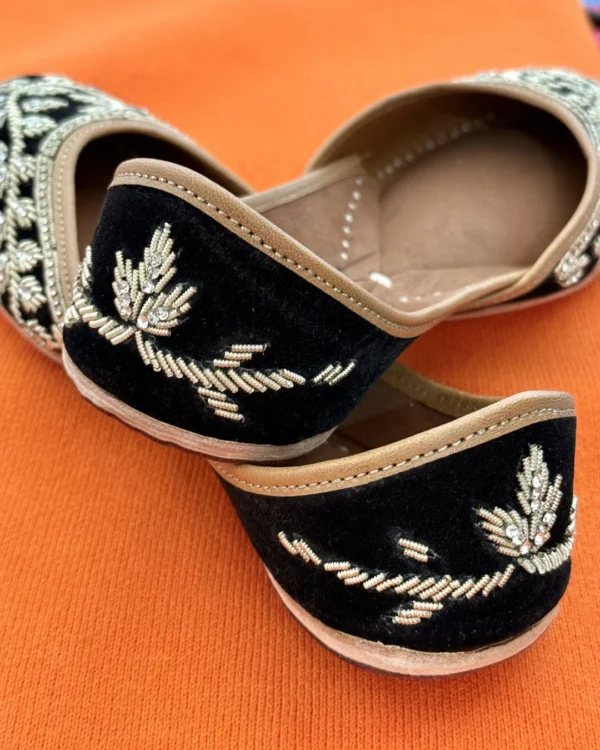
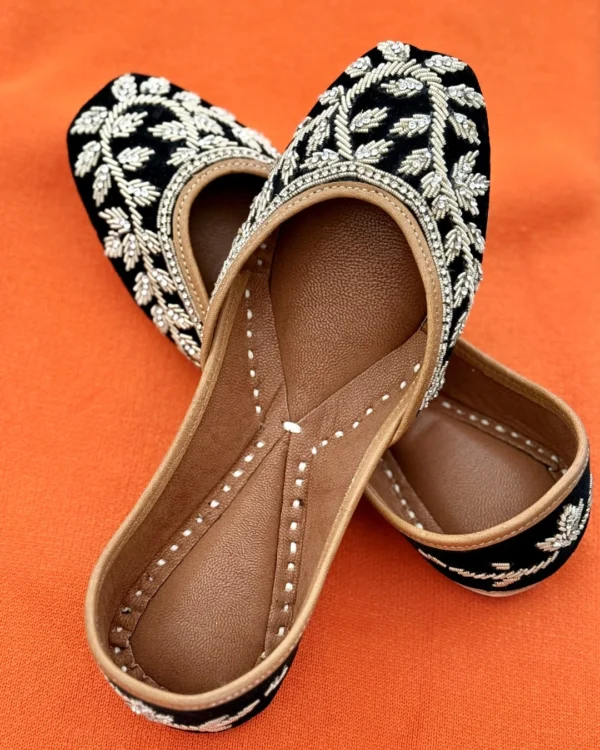
Black Dabka Work Jutti
Original price was: ₹1,499.00.₹899.00Current price is: ₹899.00.Select size
-
 40%
OFF
40%
OFF
Juttis for Women
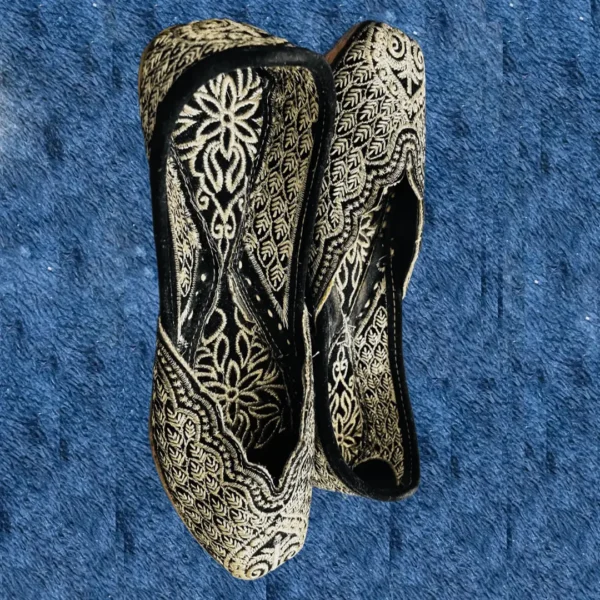
Black Multi Floral Jutti
Original price was: ₹1,499.00.₹899.00Current price is: ₹899.00.Select size
-
 57%
OFF
57%
OFF
Juttis for Women
Black Punjabi Juttis & Mojaris
Original price was: ₹930.00.₹399.00Current price is: ₹399.00.Select size
-
Select size